Welcome to Symposion Network
A European Teacher Education Thinktank
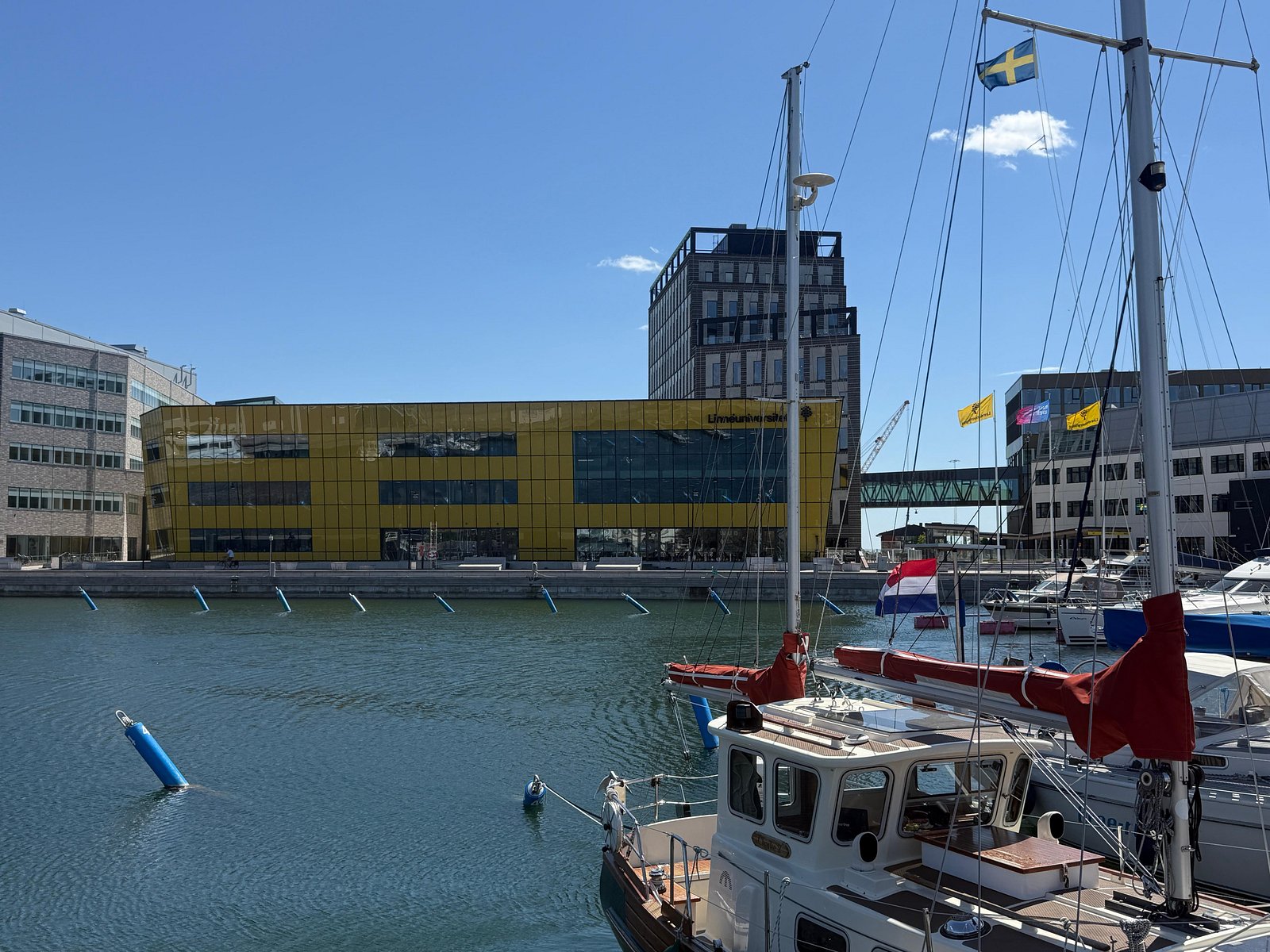
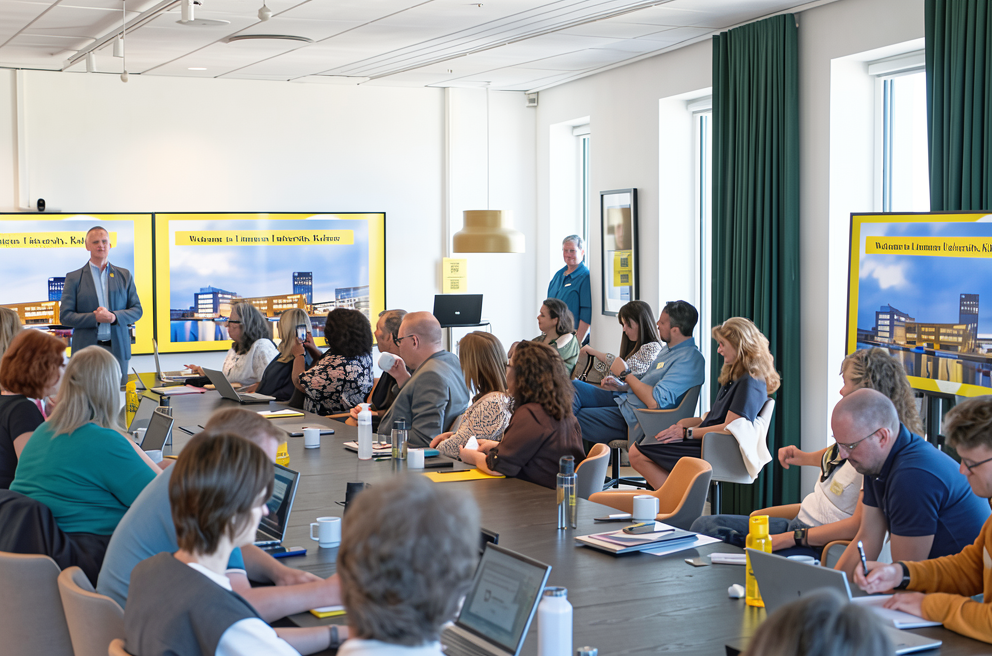
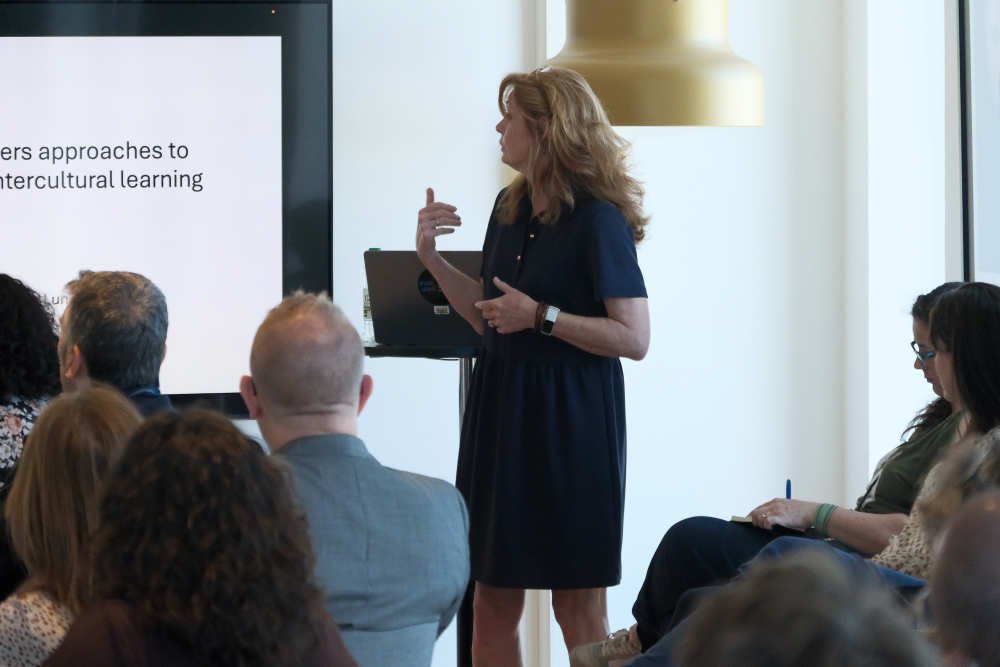
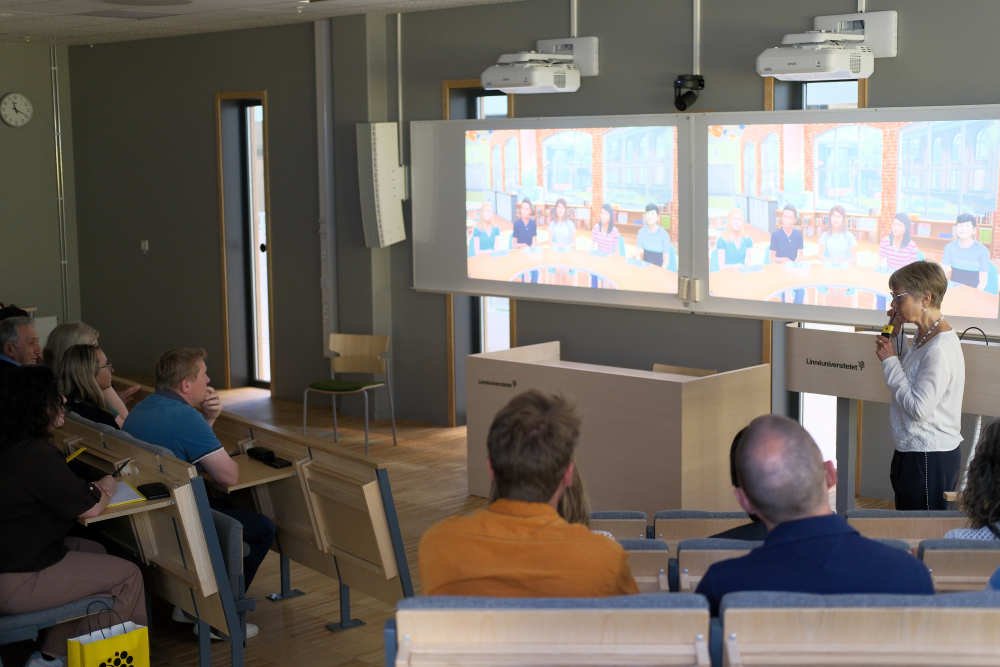
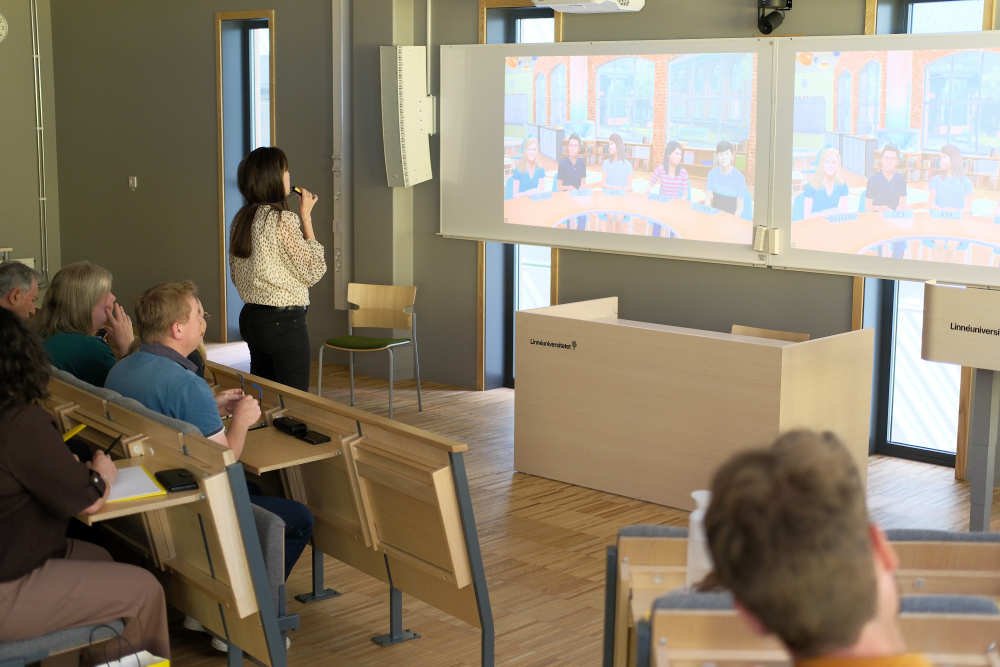
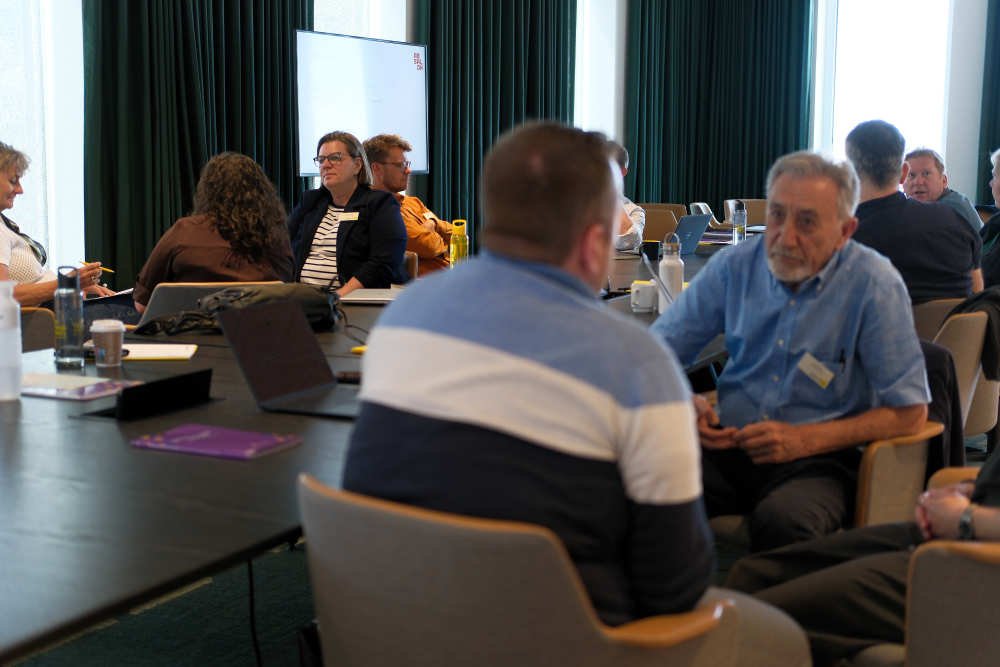
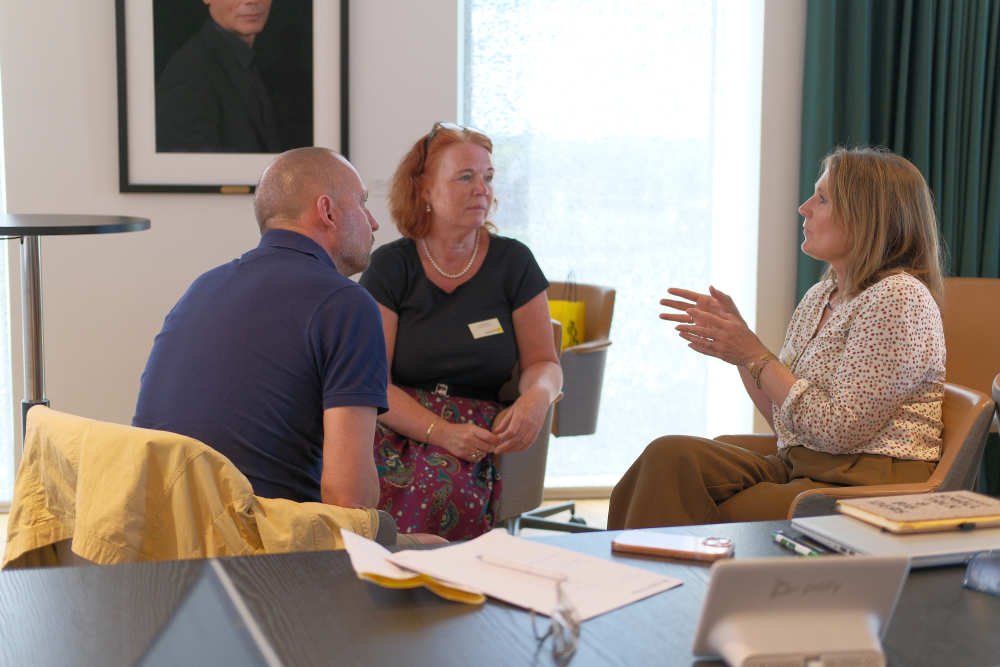
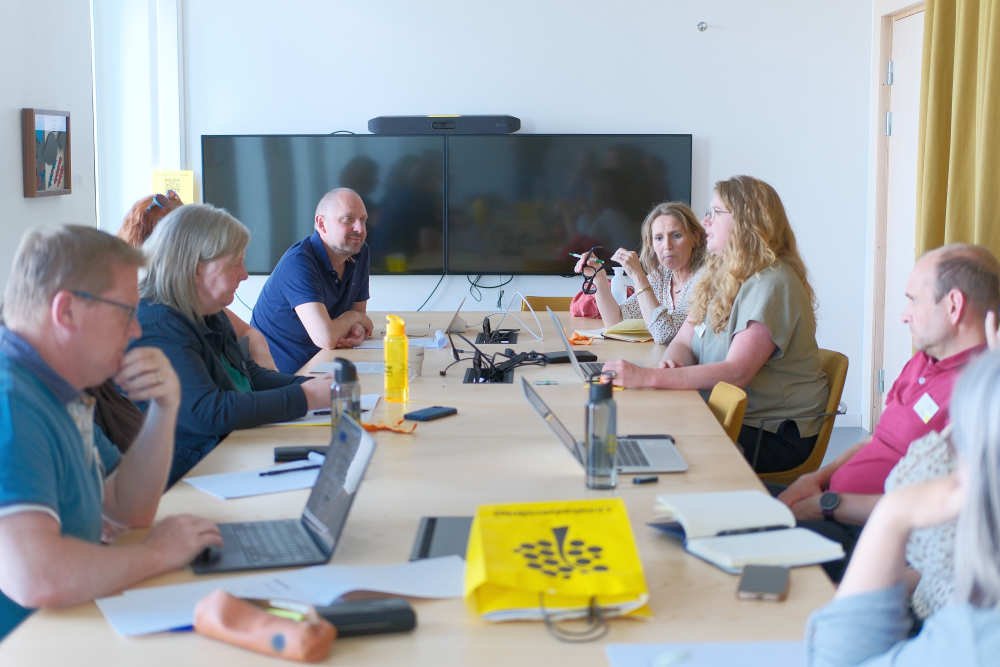
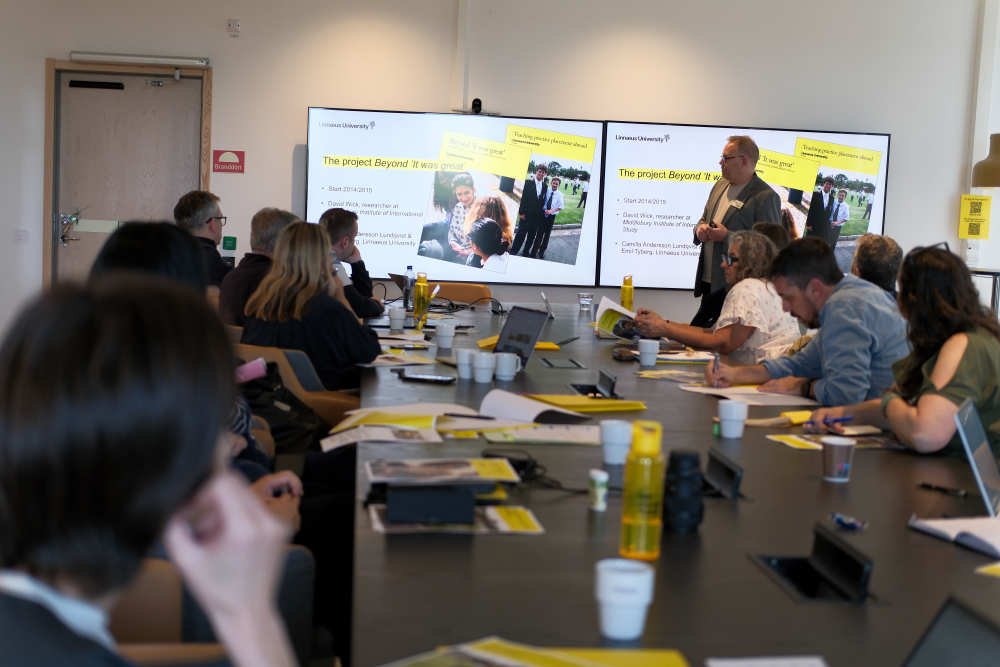
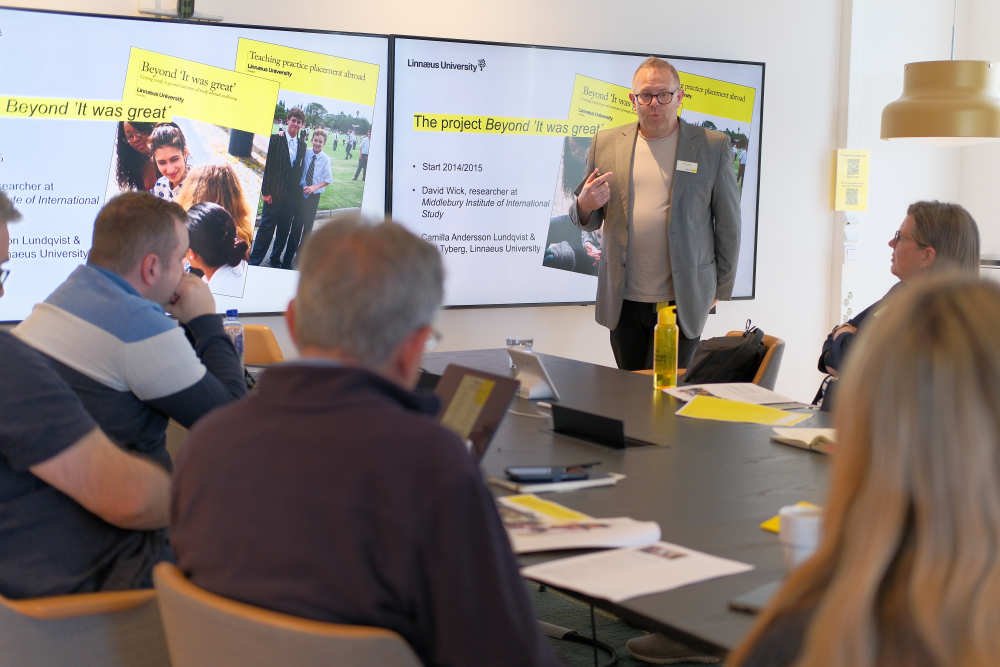
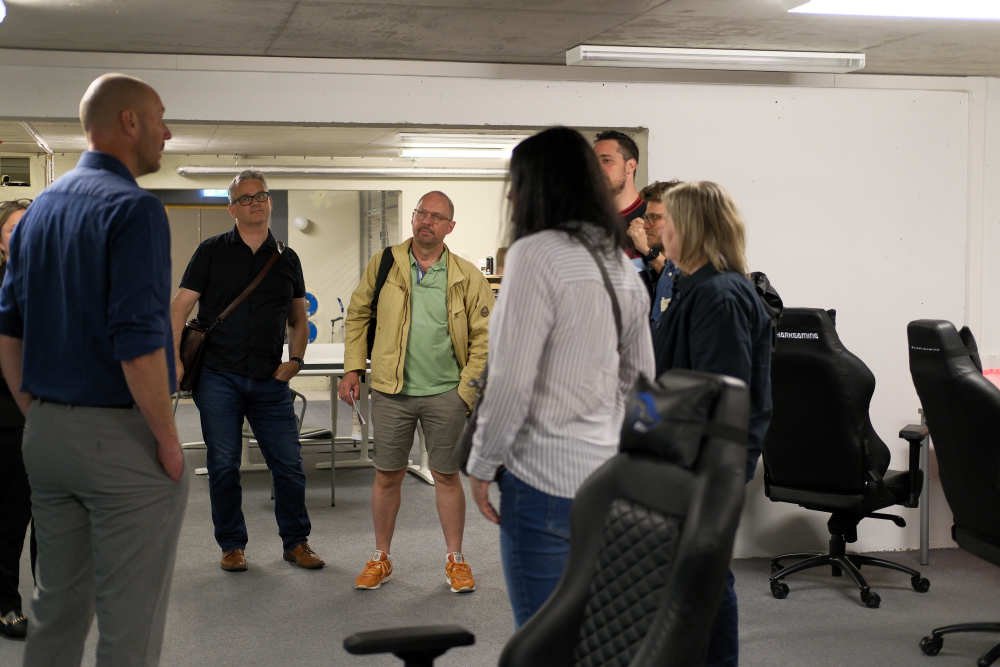
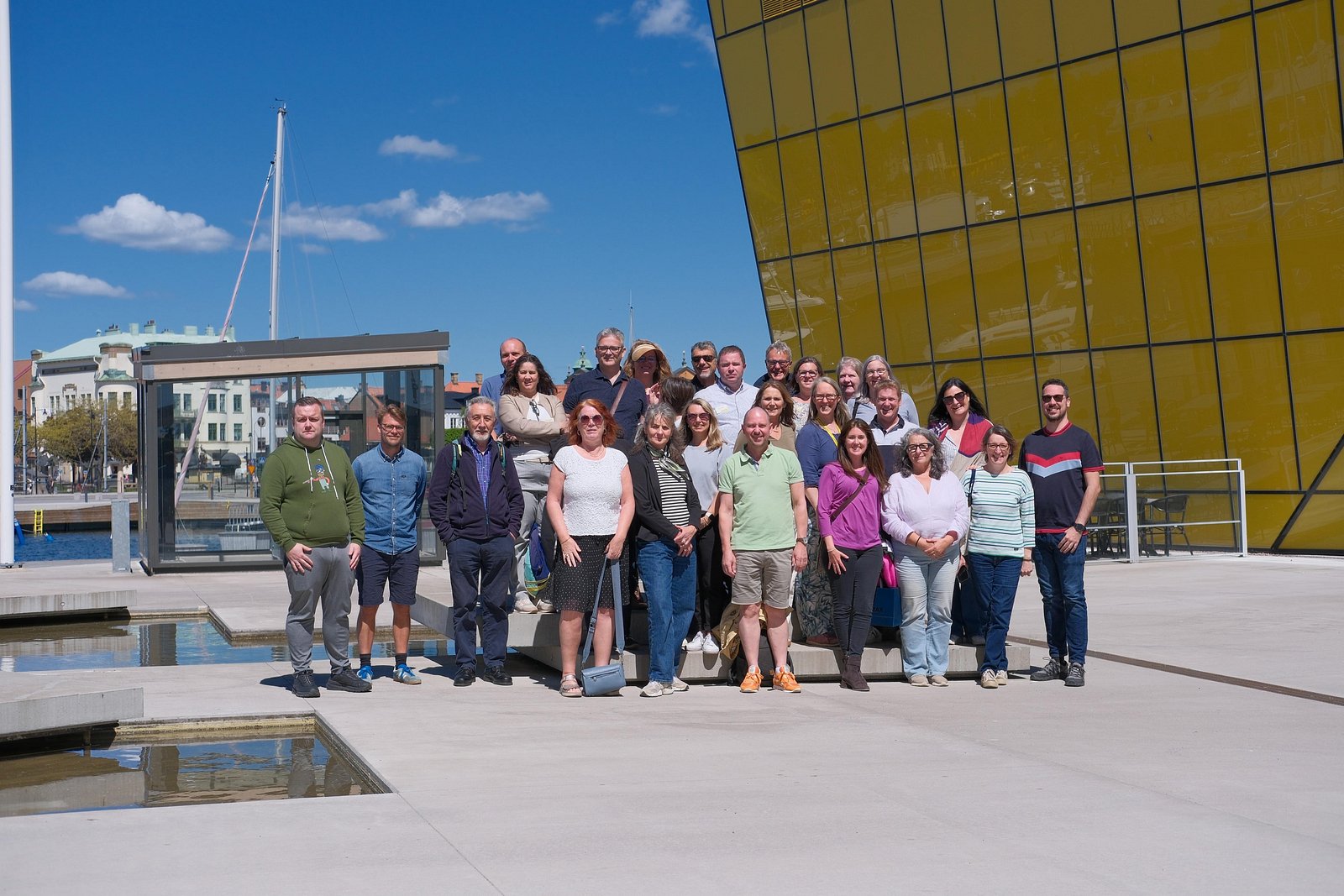
Symposion 2026 annual meeting took place at Kalmar, Sweden!
Check out the new "Teaching Europe Podcast" episode documenting the meeting – see below!

-
Episode 4 – The Kalmar 2026 Symposion Network meeting
Be part of the "heart of Symposion"!
Our Mission
Fostering the internationalisation of Teacher Education in Europe
"Symposion" is a network of 20 European Teacher Education institutions and serves as a platform for developing and encouraging cooperation and promoting an international dimension in Educational Fields.
Annual Meetings (see below)
Creating new ideas for cooperation, projects, simplifying organisational processes, …
Outcomes (see below)
Bringing new forms of international cooperation into teacher education
History (see below)
Buiding on long time partnerships …
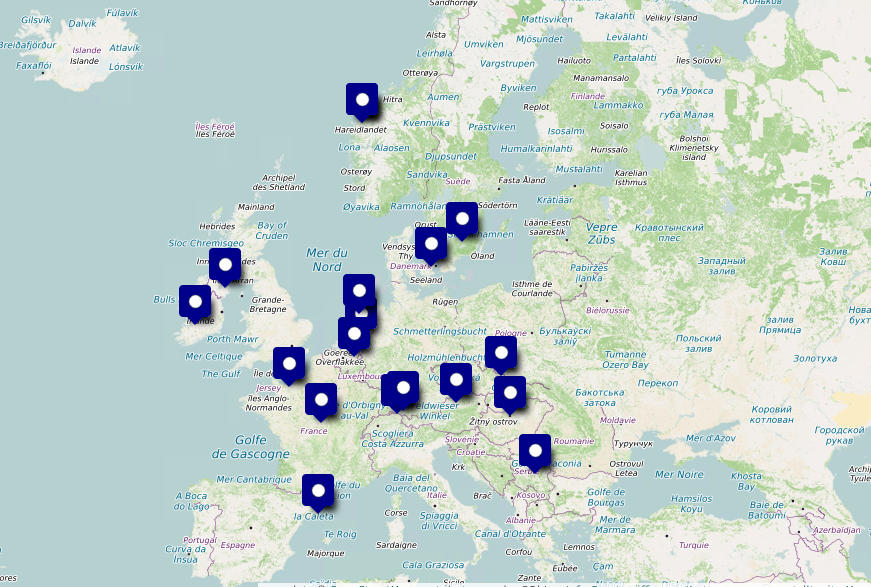
This is us
The map shows all Symposion Network member institutions across Europe.
Statements of Board members:

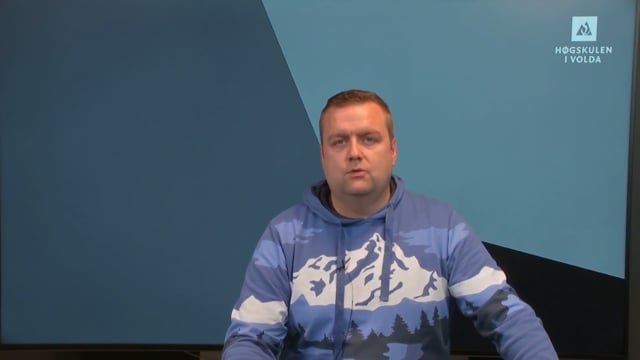
Podcast Series 3
Teaching Difficult Topics
-
Episode 1 – Dialogical education and the challenges teachers face in an increasingly complex and demanding world
Simon Brennan MIC, Limerick, Ireland
-
Episode 2 – Psychological Education
Christine Plaimauer, PHOÖ, Austria
-
Episode 3 – The challenges of diversity
Karin Hindrix, University College Leuven/Limburg, Belgium
-
Episode 4 – The Kalmar 2026 Symposion Network meeting
Be part of the "heart of Symposion"!
Podcast Series 2
"Learning Spaces"
-
Episode 1 – Outdoor learning spaces
Liz Curtis and Jo Vergunst, University of Aberdeen, Scotland
-
Episode 2 – about the Cooperative Liberal Labarortory at PH Weingarten, Germany
Alexander Aumann, PH Weingarten, Germany
-
Episode 3 – Outdoor Learning Spaces in Jagodina, Serbia
Ivana Ćirković-Miladinović and Irena Golubović-Ilić, University of Kragujevic, Faculty of Education, Jagodina
-
Episode 4 – with Gabi Steinmair, PHOÖ, Austria
Independent learning in a "material based learning space". Recorded in Gabi's "teaching room" at PHOOE.
-
Episode 5 – Media Lab at Volda University, Norway
Sindre Slettedal Sandbak and Synnøve Hedemann Amdam from Volda University College, Norway
-
Episode 6 – is a special „Good Bye“ to:
Miquel Robert Ferrer – a long time symposion "institution" – enjoy the free time of retirement! 😀
Podcast Series 1
"Inclusion in Europe"
Explore diverse perspectives on contemporary teacher training challenges and innovations. Featuring candid interviews with leading educators, policymakers, and researchers from across Europe.
-
Episode 1 – Inclusion in Sweden
Kristina Hellberg, Linneus University, Sweden
-
Episode 2 – Inclusion in the Netherlands
Jose Middendorp, Stenden University, Netherlands
-
Episode 3 – Inclusion in Austria
Tobias Buchner, Pädagogische Hochschule Oberösterreich, Austria
-
Episode 4 – Inclusion in France
Veronique Roisin, University of Orleans, France
-
Episode 5 – Inclusion in Ireland
Emer Ring, MIC Limerick, Ireland
-
Episode 6 – Inclusion in Belgium
Nadja Vandenbroek, University College Leuven/Limburg, Belgium
Our History
A Journey of Collaboration
Founded on the principles of sharing knowledge and best practice experiences, Symposion Network has always been a source for new ideas of fostering international cooperation in Teacher Education.
This European teacher education network was formally established at two meetings in 1992 (in June in Aarhus and in September in Växjö). The participating institutions – Växjö Universitet, Aarhus Dag – og Aftenseminarium, Universität Potsdam, University College Northampton, Hogeschool Drenthe and Hogskolen i Agder – agreed on sending an application for a new network (ICP) to the ERASMUS Bureau in Brussels. The application was accepted and in April 1993 ‘ICP S 3004/05 Teacher Training’ was a formal financial reality, since it was supported within the ERASMUS programme. During the following years new members were accepted and as long as the old ERASMUS programme was going the ICP was co-financed by the European Union. Formal meetings were during this time held two times per year.
Since networks cannot be financed in the SOCRATES programme we decided to go on working as an informal network where all participating institutions have to pay for themselves -the network has no money at all (we don’t charge any membership fee or other fees). Meetings are now held once a year at one of the member institutions.
The name of the network
The network was named ‘Symposion’ at a meeting in Weingarten 1998. The name was proposed in order to emphasize the main characteristics of the network: The interchange of educational concepts meeting future challenges in our diverse society made possible by strong personal relationships among the members.
Founders of the network:
Nils Larsson, Växjö universitet
Bjorn Monstad, Hogskolen i Agder
Annual meetings continuing …
1991: Meppel, Växjö, 1992: Århus, 1993: Meppel, 1994: Kristiansand, 1995: Potsdam, Vordingborg, 1996: Caen, Alta, 1997: Cardiff, Weingarten, 1998: Arnhem, Växjö, 1999: Belfast, 2000: Caceres, 2001: Lublin, 2002: Aarhus, 2003: Weingarten, 2004: Meppel, 2005: Växjö, 2006: Aarhus, 2007: Potsdam, 2008: Lublin, 2009: Nijmegen, 2010: Weingarten, 2011: Vordingborg, 2012: Kreuzlingen, 2013: Orléans, 2014: Kristiansand, 2015: Hasselt, 2016: Northampton, 2017: Barcelona, 2018: Linz, 2019: Dublin, 2021: Meppel, 2022: Ostrava, 2023: Orléans, 2024: Volda, 2025: Jagodina, 2026: Kalmar
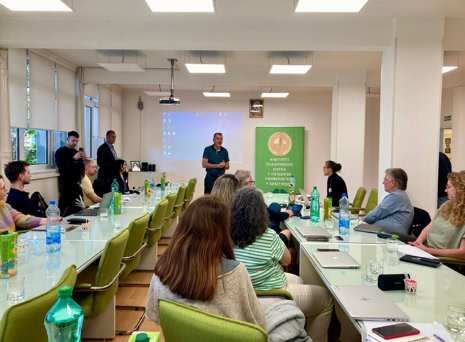
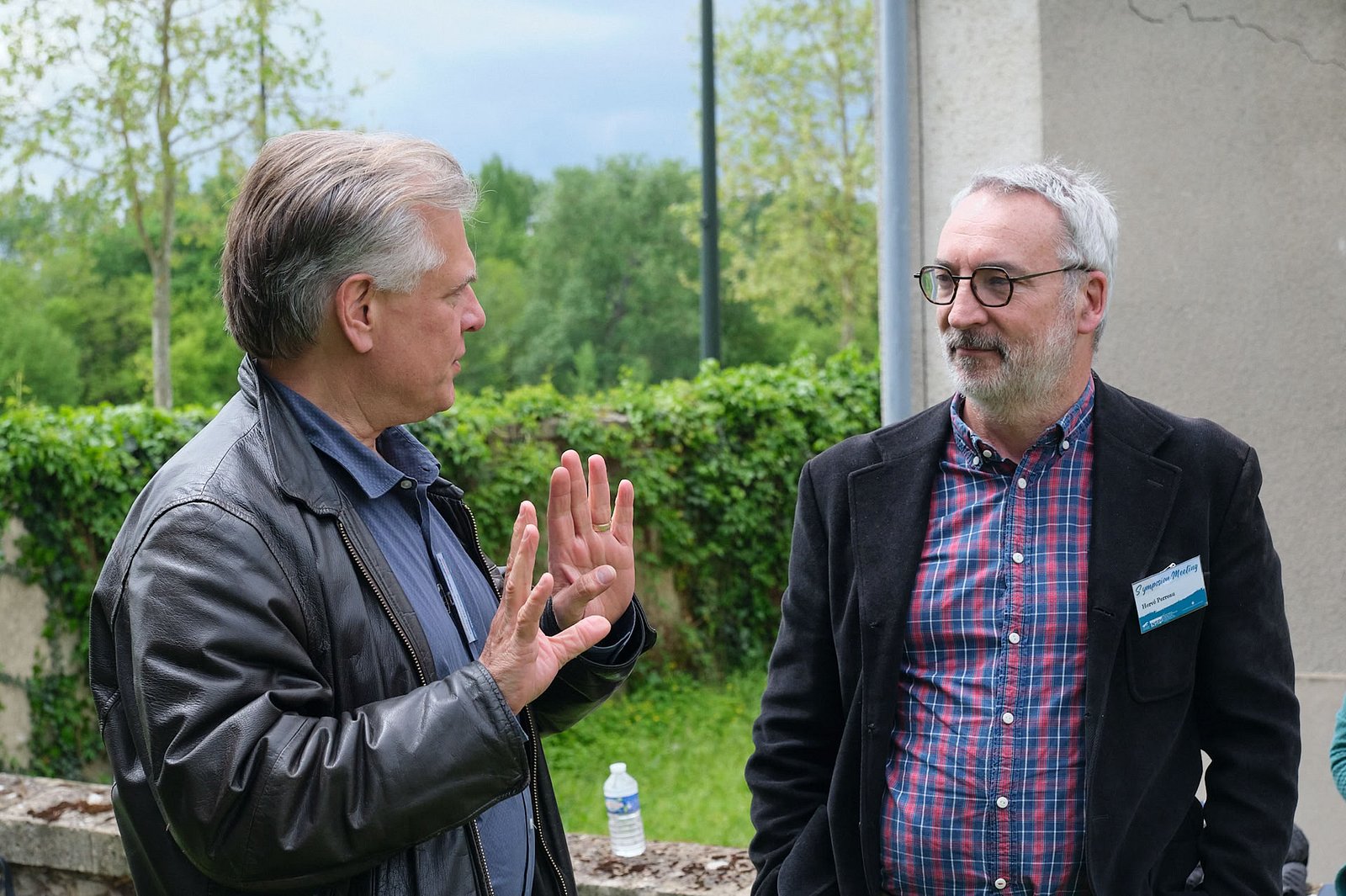
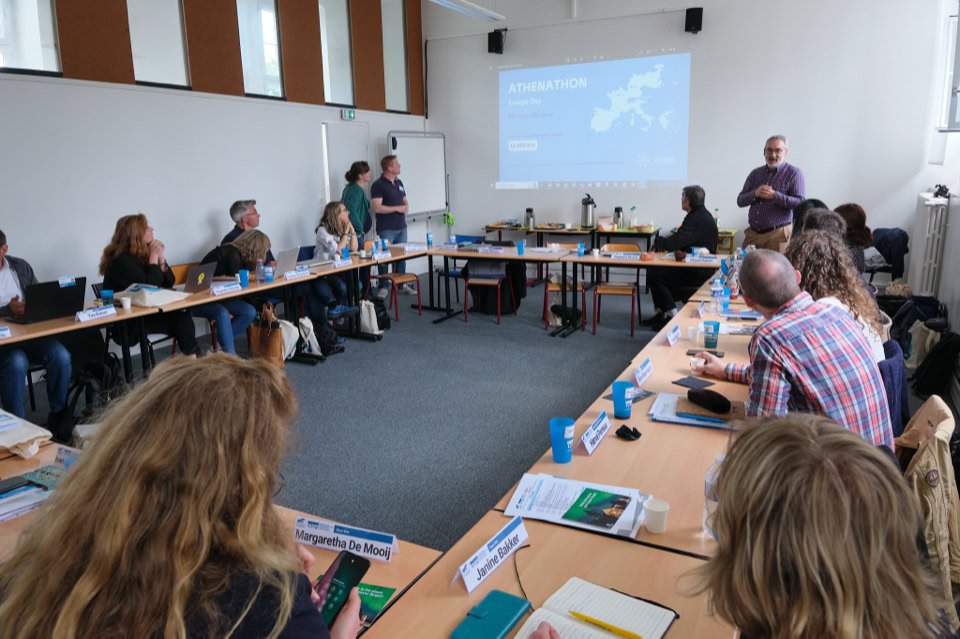
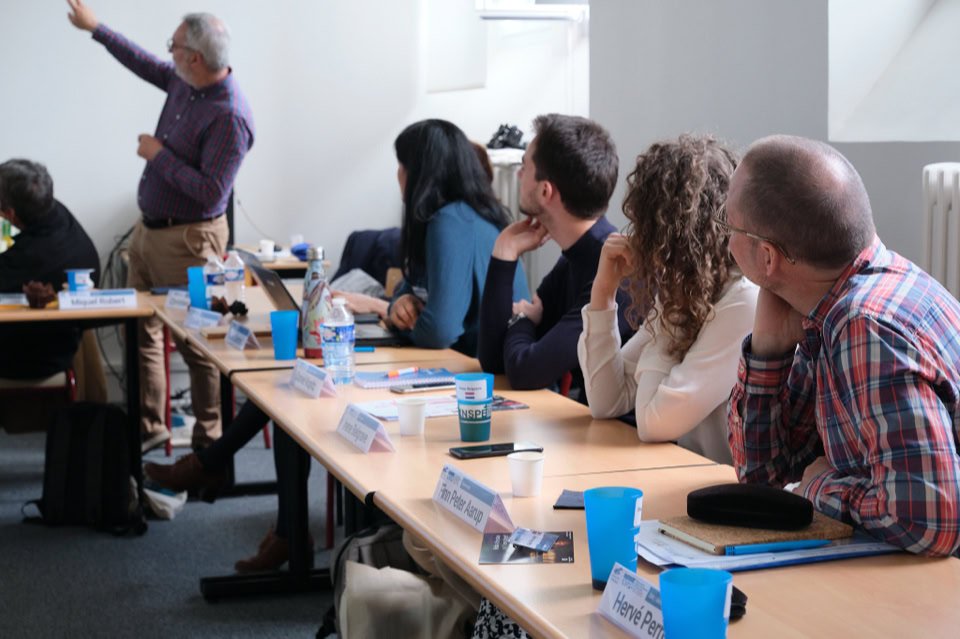
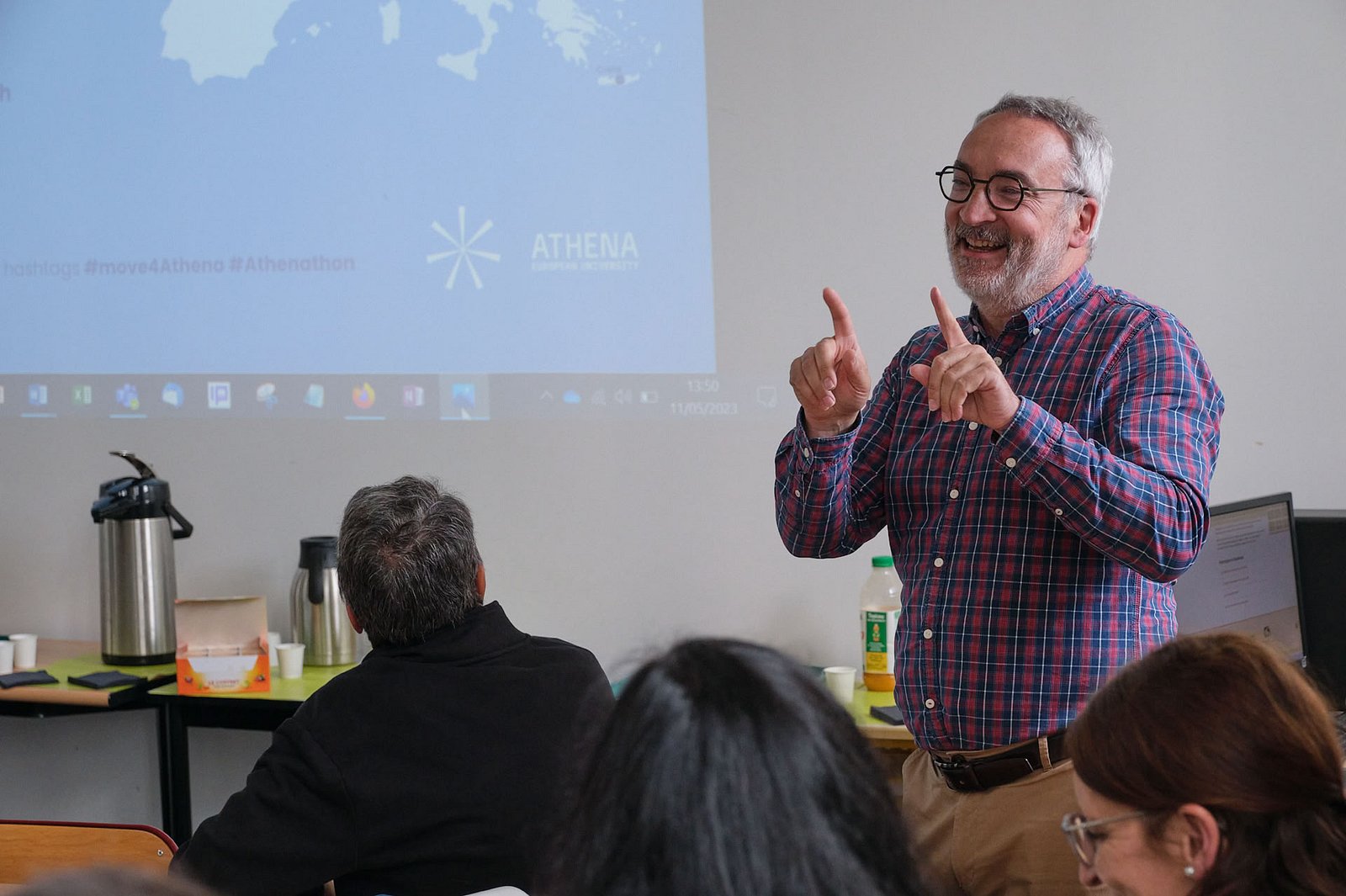
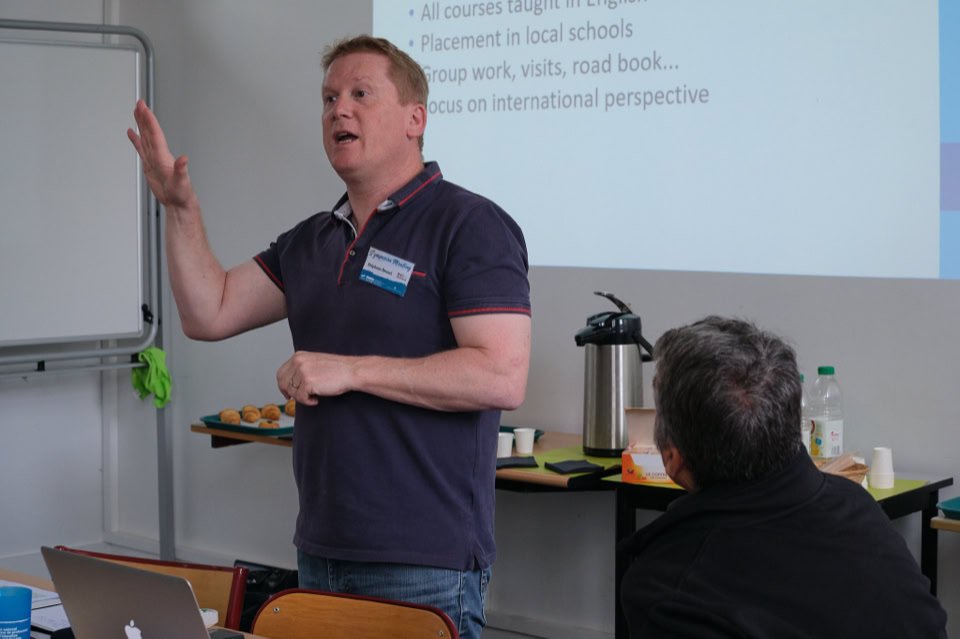
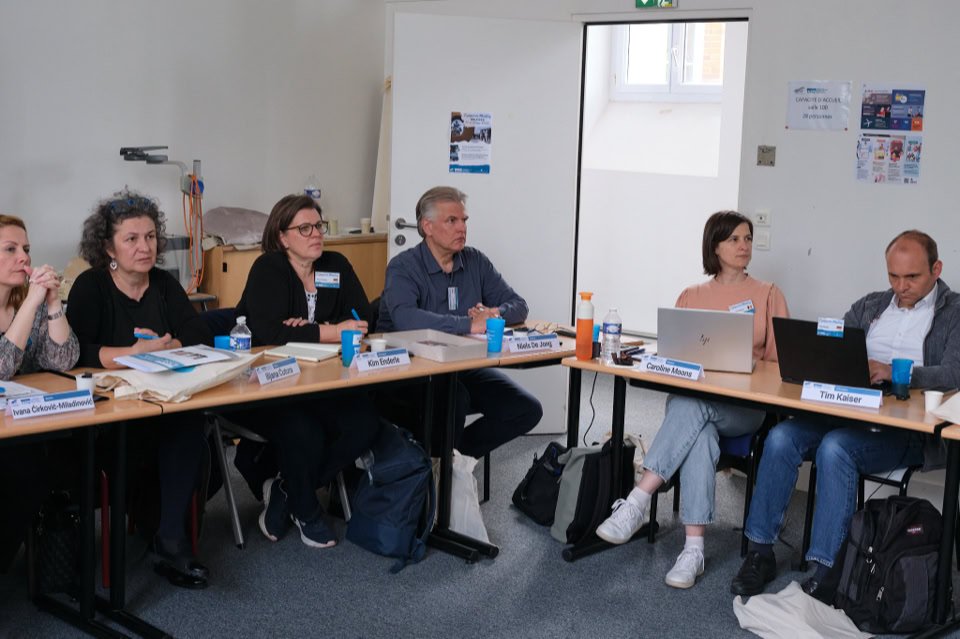
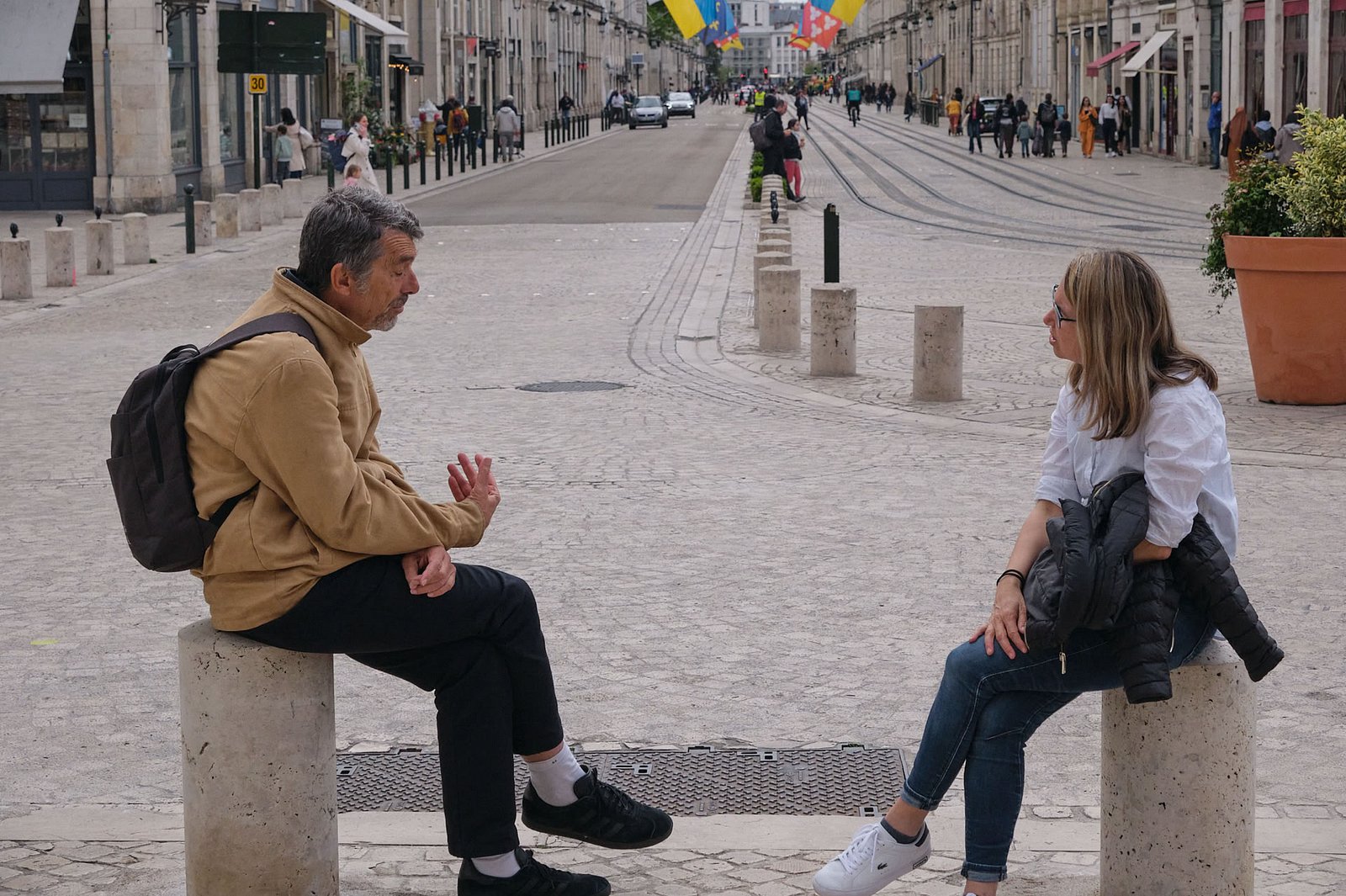
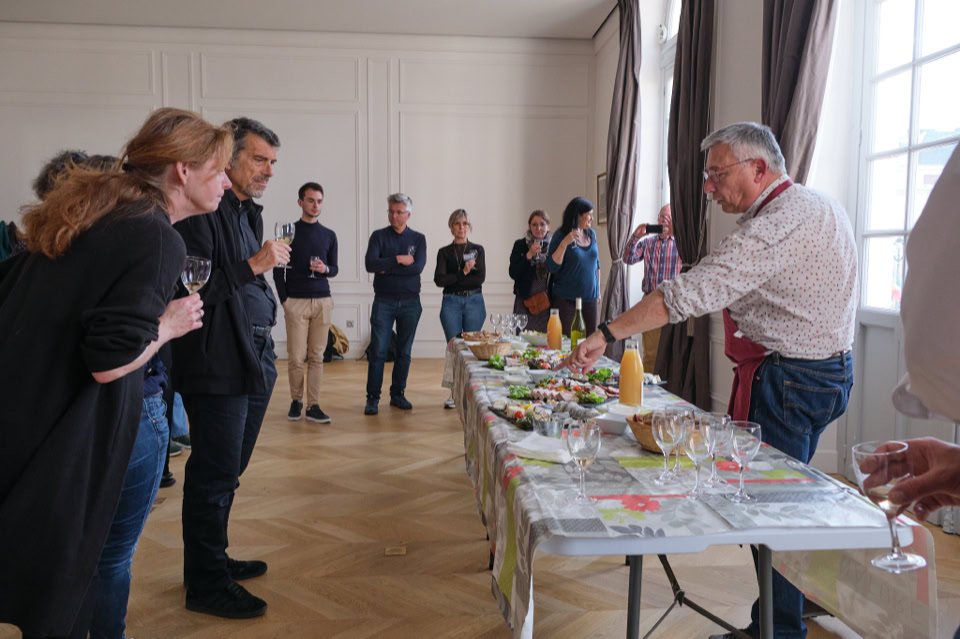
Symposion over the years …
Latest News
News & Updates
-
Upcoming Events
We will publish here interesting events, calls for papers, conferences at member universities – more coming soon!
-
Symposion 2027 will be in Limerick, Ireland!
Stay tuned!
-
Next Symposion meeting will be at Linneus University in Kalmar, Sweden
Stay informed on what's going on!
We're planning a newsletter – if you are interested you can subscribe here:
Symposion Spin offs
Transforming Teacher Education Across Europe
Symposion brings together administrative international office staff and teaching staff involved strongly in international cooperation. This creates a "think tank" which can build on experiences and visions, making international cooperation in teacher education better.
Examples are:
- Fostering student mobility (short and long term for placement and study – recently included into Erasmus+ funding)
- Staff mobility (guest lecturing and international weeks, etc.)
- Bilateral and multilateral projects
- Fostering research cooperation
- Curriculum cooperation through telecollaboration
- Better collaboration among „International Offices" through personal relations and better knowledge of partner's structures
- Easier project organisation, coordination and administration
- Coordination of funding initiatives
ITEPS – Teacher Education for International Schools in Meppel, Netherlands – see more details here
Blended intensive programs (BIPs)
EPTE – European Primary Teacher Education
And so on …